Begin with the actual workflow
A small office, workshop, or institution needs a clear way to record attendance and handle everyday exceptions. Before choosing technology, the workflow should define enrollment, check-in, missed entries, correction requests, and who is responsible for the records.
My vision is to develop equipment and guidance around these tasks. A useful system should reduce confusion for the people using it and preserve an understandable record of administrative changes.
Choose identification methods deliberately
Card-based, PIN-based, and biometric approaches have different implications. If biometric functions are considered, they require careful evaluation of accuracy, handling of sensitive information, user choice, and applicable requirements.
No product should claim perfect identification. Feasibility work should include exception handling and alternatives when the normal method does not work. Planned capabilities must be distinguished from features verified in an actual model.
Keep reliability and integration practical
Terminal development would need to consider power interruptions, local record handling, time consistency, exports, and the administrative tools required by the intended user. Any integration should be explained in terms of the systems it actually supports.
Attendance recording and physical door access are different responsibilities. Access equipment needs a site-specific review of safe operation and emergency arrangements before installation; these cannot be reduced to a marketing feature list.
Make ownership and service clear
I want future documentation to explain who can enroll users, retrieve records, correct errors, and reset or transfer a device. Clear administration is part of durability because equipment must remain understandable after staff changes.
The proposed manufacturing path would start with a narrowly defined use case and a testable prototype. Expansion to more complex access products should follow evidence from those early stages.
A practical workplace scenario
For a small workplace, the useful question is whether attendance records are complete, understandable, and manageable when something goes wrong. A pilot could follow a limited group through enrollment, ordinary use, a missed event, a connectivity interruption, and a correction request.
The findings should shape both the equipment and the instructions. I want future product development to learn from these everyday tasks before adding features or making wider deployment commitments. Clear workflows should guide the technology.
Proposed next steps
- Map enrollment, attendance, and exception workflows.
- Evaluate suitable identification options.
- Prototype power, record, and export behavior.
- Document administration and service responsibilities.
What progress should show
- Completeness and consistency of recorded events
- Handling of interrupted power and connectivity
- Ease of resolving legitimate exceptions
- Clarity of enrollment and data-access controls
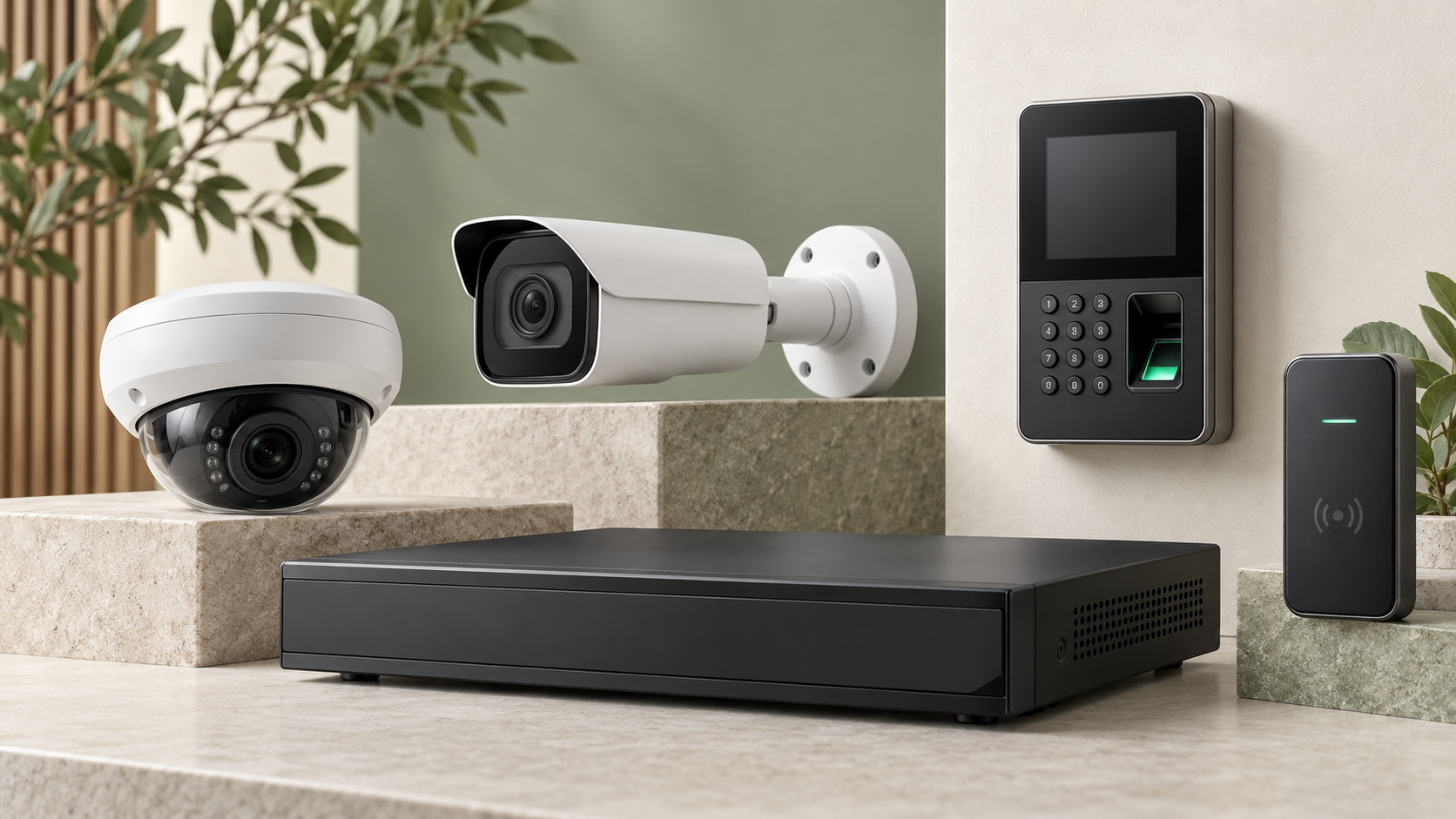
This is Arvind Mishra’s vision and proposed development approach. Future categories, capabilities, partnerships, and milestones are ambitions unless explicitly described as current work. Product photographs are AI-generated illustrations, not photographs of manufactured inventory.